
Mix Ratios, Scratch Coat Techniques, and Humidity Control
Preserving Cape Town’s Heritage Homes Without Modern Cracks (Or Costly Mistakes)
In 2022, we restored crumbling plaster walls in a Victorian-era Bo-Kaap home, only to watch the repair crack within months. The issue? The homeowner used modern gypsum plaster on lime-based walls—a mismatch that Cape Town’s humidity punished. Heritage homes (think Tamboerskloof or De Waterkant) demand lime putty for a reason. Here’s how to master it, compliant with SANS 0109 historical building standards.
Tools & Materials You’ll Need
- Lime putty (aged 6+ months)
- Horsehair or sisal fibers (for tensile strength)
- Wooden hawk and stainless steel trowel (avoid plastic—it drags)
- Misting spray bottle (for humidity control)
- Hydrated lime (for scratch coats—SABS-approved)
- Sharp sand (0.5–1mm grain size, washed Salt River sand works best)
Step 1: Mix Ratios by Weight, Not Volume
Lime putty is unforgiving. For a base coat:
- 1 part lime putty : 3 parts sharp sand : 0.5 parts fibers
Mix for 15 minutes—until it “sings” (a sticky, rope-like consistency).
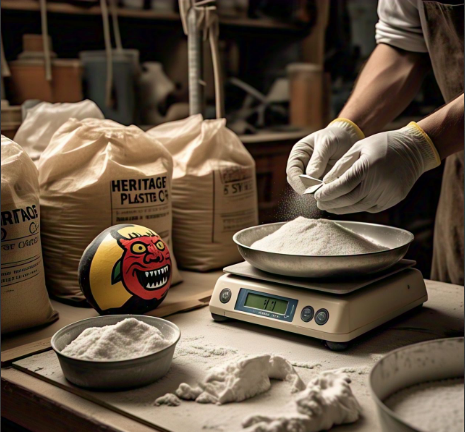
Cape Town quirk: Tap water’s high mineral content alters curing. Use filtered water from suppliers.
Step 2: Apply the Scratch Coat Like a 19th-Century Pro
- Wet the wall: Mist until damp (not soaked).
- Throw the mix: Use a flicking motion to embed plaster into cracks.
- Scratch lines: Drag a Devil float horizontally for 3mm-deep grooves.
Pro tip: Add 5% pozzolan to accelerate curing in winter.
Step 3: Humidity Control is Non-Negotiable
Lime needs 70–80% humidity to cure without cracking. In dry Karoo-influenced areas like Bellville:
- Cover walls with hessian sacks (spritz daily).
- Avoid direct sunlight—work early mornings or late afternoons.

Cape Town horror story: A Constantia homeowner used fans to speed drying… and watched their R30k repair crumble.
Step 4: Finish with a Fine Lime Wash
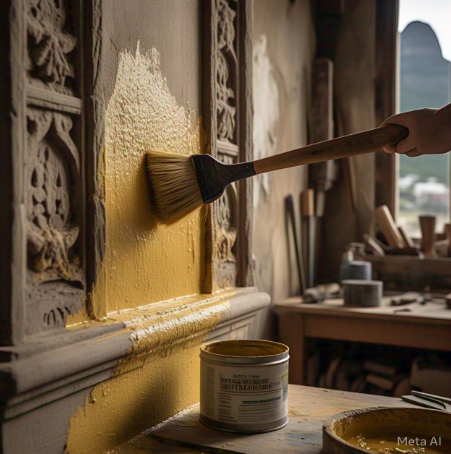
After 28 days curing:
- Mix lime wash: 1 part putty to 2 parts water. Add iron oxide pigment for Cape Dutch ochre tones.
- Apply with a goat-hair brush.
- Seal with linseed oil (boiled, not raw).
Common Mistakes (And How to Fix Them)
- Mistake: Using cement in the mix.
Fix: Cement traps moisture—heritage walls rot. Stick to pure lime. - Mistake: Skipping fibers.
Fix: Without horsehair, plaster shrinks. We’ve salvaged walls in Sea Point by retrofitting sisal.
When to Call a Pro
If walls have structural cracks (>5mm wide) or asbestos underlayers (common in Maitland’s industrial conversions), hire a SAHRA-certified restorer. Unapproved alterations risk fines up to R100k.
FAQ: Cape Town Edition
Q: Can I repair modern drywall with lime putty?
A: No—modern boards lack breathability. Use lime only on original plaster or brick.
Q: How do I match historic textures?
A: Practice “knobbing” (dabbing with a sponge) or “pebbledash” (throwing sand).
Need Help?
CPT Builders specializes in SANS 0109-compliant heritage restorations. Contact us for period-accurate repairs!
CPT Builders
8 The Oval Pinelands
Cape Town
7405
021 012 5370